

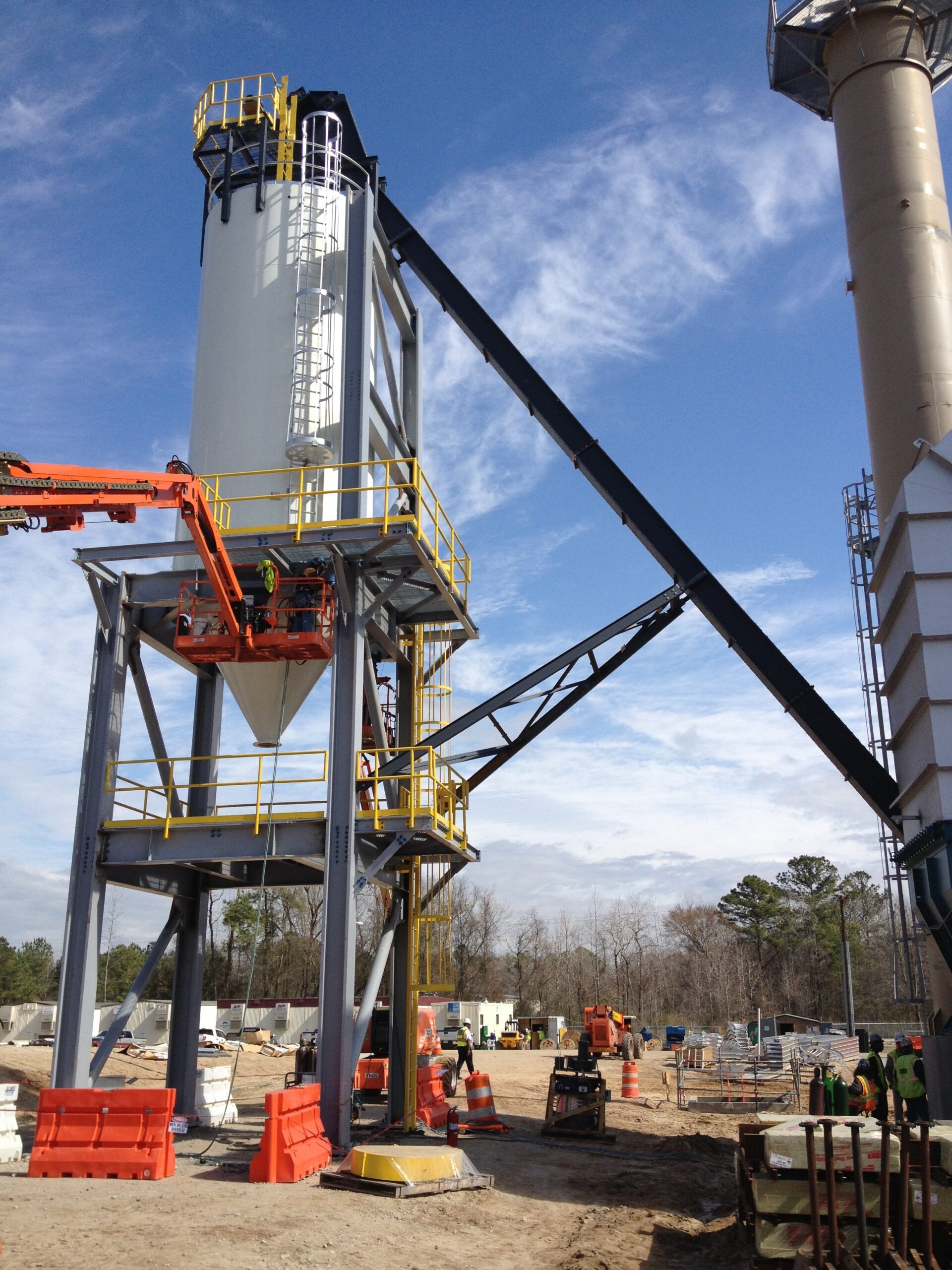
Expert Interview: David Cantu, Director of Material Handling
Host: Jen Little, Director of Commercial Operations
Industrial manufacturing is evolving, and so is the way we think about waste. What was once considered a costly byproduct is now becoming a valuable resource. In a recent episode of Powering the Process, host Jen Little sat down with David Cantu, Director of Material Handling at ProcessBarron, to break down how ash handling is driving both environmental and economic impact across industries.
What Is Ash and Why Does It Matter?
Ash is the solid residue left behind after burning fuel sources like coal, biomass, or waste materials. According to Cantu, nearly every combustion process produces ash, with the exception of highly refined fuels like natural gas.
“Any time you burn fuel, you’re going to generate ash,” Cantu explains. “The amount just depends on the material. Coal can produce 10–20% ash, while biomass produces significantly less.”
While historically viewed as waste, ash is now being redefined as a reusable material with real-world applications.
Turning Ash Into Opportunity
One of the biggest shifts in industrial operations is the move from ash disposal to ash reuse. Instead of sending ash to landfills, companies are finding ways to repurpose it, reducing environmental impact while creating new revenue streams.
“Customers can actually sell ash instead of paying to dispose of it,” says Cantu. “Depending on the market, it can bring in anywhere from $25 to $80 per ton.”
Common Uses for Recycled Ash:
- Construction materials: Ash is widely used in concrete and cement products
- Agriculture: Ash can be repurposed as fertilizer or soil enhancement
- Emerging technologies: Biochar and carbon-based materials are being used in plastics and advanced materials.
In fact, many everyday products like concrete pavers contain up to 70% ash, often without consumers realizing it.
Environmental Impact: Reducing Waste and Emissions
Recycling ash doesn’t just benefit the bottom line; it also significantly reduces environmental impact.
For every ton of ash reused, one less ton ends up in a landfill. Additionally, using fly ash in concrete production can reduce carbon emissions, with global CO₂ savings estimated between 70 and 110 million tons annually.
“Recycling ash cuts down on landfill use, transportation, and fuel consumption,” Cantu notes. “It’s a win across the board.”
The Evolution of Ash Handling Systems
Historically, ash was transported using water-based systems and stored in settling ponds, methods that were costly, inefficient, and environmentally risky. Today, modern ash handling systems focus on containment, efficiency, and sustainability.
ProcessBarron plays a critical role in this transformation by designing custom systems tailored to each facility.
“We assess each customer’s setup and determine the best solution,” says Cantu. “No two systems are exactly the same.”
Key Improvements in Modern Systems:
- Sealed mechanical conveying systems to prevent leaks and emissions
- Reduced reliance on water-intensive processes
- Safer handling of high-temperature materials (ash can reach up to 1800°F)
- Scalable solutions based on plant size and budget
Solving Real-World Challenges in the Field
Ash handling isn’t just about equipment; it’s about solving complex, real-world problems. From outdated systems to facilities with no formal ash handling process, ProcessBarron works hands-on to improve operations.
Cantu recalls visiting a waste-to-energy plant where ash filled the air and covered the floors.
“You couldn’t see more than five feet in front of you,” he says. “But today, that same plant is completely transformed.”
Through system redesign and engineering support, facilities can drastically improve cleanliness, safety, and efficiency.
The Future of Ash: Innovation on the Horizon
Looking ahead, ash utilization is expected to expand even further. Emerging technologies like biochar production and carbon-based plastics are opening new doors for innovation.
“There’s a lot of potential in the next 10 years,” Cantu says. “As industries move toward biomass and alternative fuels, we’ll continue to see new uses for ash.”
Why It Matters for Industrial Operations
Ash handling is no longer just a maintenance task; it’s a strategic opportunity. Companies that invest in modern systems can:
- Reduce operational costs
- Generate new revenue streams.
- Improve environmental compliance
- Enhance plant efficiency and safety.
Partnering for Smarter Ash Management
At ProcessBarron, ash handling is approached as a full lifecycle solution, from initial assessment and engineering to manufacturing and installation.
“It’s a start-to-finish process,” Cantu explains. “We work as a team to make sure the customer gets the best solution possible, and we see it through.”
Ready to Turn Waste Into Value?
If your facility is still treating ash as a disposal problem, it may be time to rethink your approach. With the right system in place, ash can become a powerful asset both environmentally and economically.
Contact ProcessBarron today to learn how our custom ash handling solutions can improve your operations, reduce waste, and unlock new value for your business.
Because in industrial manufacturing, excellence isn’t optional. It’s engineered.
Listen to more episodes!
Contact a ProcessBarron sales representative near you.