

Expert Interview: Joe Waite, Vice President of Air & Material Handling Products
Host: Jen Little, Director of Commercial Operations
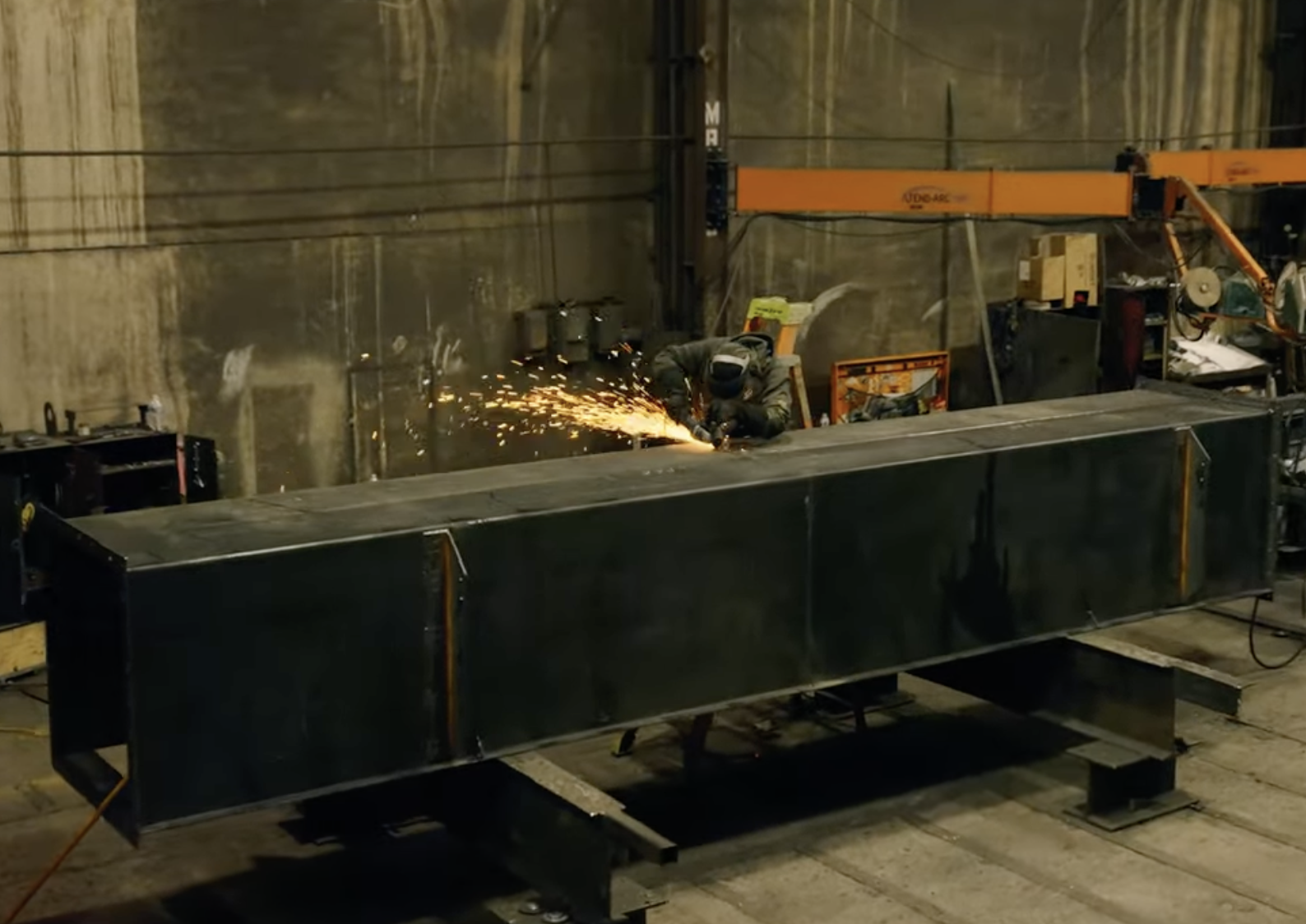
Steel is everywhere. It shapes the buildings we work in, the vehicles we drive, the infrastructure we depend on, and the systems that power modern life. Yet behind every beam, coil, and structure is a highly complex manufacturing process that demands precision, efficiency, and reliability.
In this episode of Powering the Process, host Jen Little sits down with Joe Waite, Vice President of Air & Material Handling Products at ProcessBarron, to explore how industrial solutions help keep steel operations running at peak performance.
Why Steel Is the Backbone of Infrastructure
Steel plays a role in nearly every part of daily life, from power generation and transportation to appliances and commercial buildings. Due to widespread demand, the health of the steel industry often mirrors the strength of the broader economy.
When steel demand rises, it typically signals growth across multiple sectors. When it declines, it can indicate broader economic slowdowns. Few materials are as closely tied to economic cycles as steel.
Where Industrial Systems Fit Into Steel Production
While steelmaking itself involves intense heat and heavy processing, much of the efficiency and reliability of operations depends on the systems surrounding the furnaces.
On the back end of the steelmaking process, specialized equipment plays a critical role in:
- Drafting and moving hot furnace gases
- Controlling emissions
- Maintaining safe airflow conditions
- Protecting equipment from extreme temperatures
Without optimized draft and air handling systems, mills face higher energy costs, accelerated equipment wear, and increased regulatory risks.
The Power of Efficiency in Steel Operations
Energy is one of the highest operating costs for steel mills because they must purchase all their power. Even small efficiency improvements can translate into significant savings.
For example, one steel facility was operating fans that consumed excessive power and experienced frequent failures. After a system analysis and fan redesign, the improvements delivered:
- Lower energy consumption
- Longer equipment lifespan
- Millions of dollars in annual savings
This type of optimization demonstrates how engineering solutions directly impact both operational performance and profitability.
Engineering Solutions for Extreme Conditions
Designing equipment for steel mills requires a deep understanding of harsh industrial environments. Solutions often involve:
- Diagnosing airflow inefficiencies
- Engineering custom fans and dampers
- Designing expansion joints to handle extreme heat
- Installing safety and redundancy systems
In many cases, customers know something isn’t working, but identifying the root cause requires specialized expertise and system-level analysis.
The Importance of Preventive Maintenance
Steel mills typically schedule annual outages to inspect and upgrade equipment. Preventive maintenance is essential to:
- Reduce unexpected downtime
- Extend equipment life
- Maintain safe operating conditions
- Ensure regulatory compliance
Because certain systems, especially draft and airflow systems, are mission-critical, failures can halt production entirely. That’s why redundancy and proactive service are key components of long-term reliability.
Steel’s Cyclical Nature and Future Outlook
Unlike industries that operate at steady demand, steel production rises and falls with economic conditions. Infrastructure investment, construction activity, and manufacturing demand all influence output levels.
Despite these cycles, steel remains fundamental in global development. As economies grow, steel continues to serve as a foundational material for progress and innovation.
Why Steel Still Matters
One of the biggest misconceptions about steel manufacturing is how invisible it can seem in everyday life. In reality, steel has shaped modern civilization, from early industrialization to today’s infrastructure networks.
Its importance hasn’t diminished. Instead, it continues to support energy systems, transportation, construction, and countless manufacturing processes.
Simply put, steel remains one of the clearest indicators of economic strength and one of the most essential materials powering the modern world.
ProcessBarron’s Commitment to Quality
At ProcessBarron, manufacturing quality is built on precision, accountability, innovation, and people. It’s reflected in award-winning operations, advanced technologies, strong safety practices, and a culture committed to doing things the right way, every time.
Because in industrial manufacturing, quality isn’t optional. It’s engineered.
Listen to more episodes!
Contact a ProcessBarron sales representative near you.