
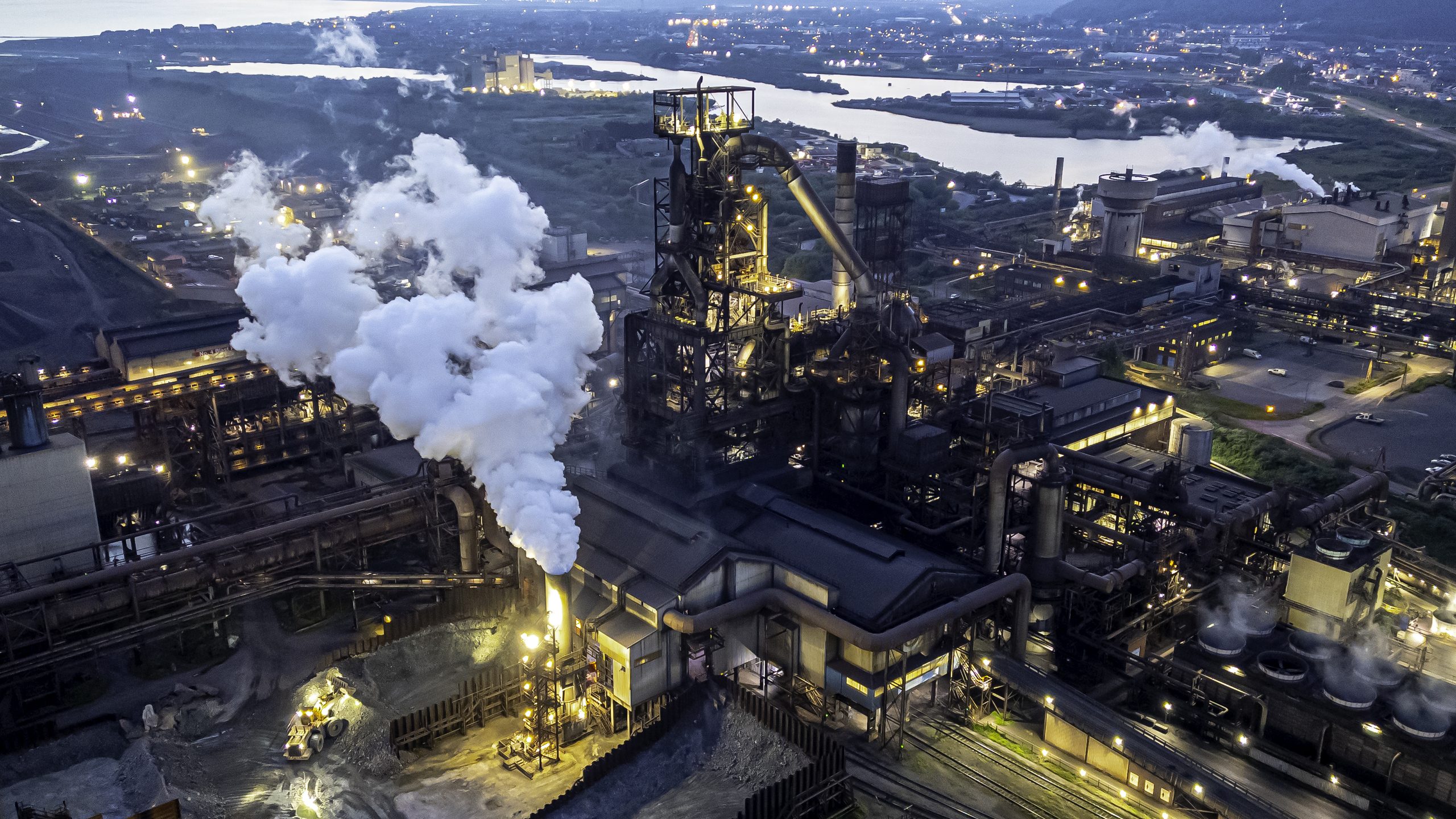
Industrial equipment is a long-term investment that must continue delivering operational value. However, when different companies manage engineering, manufacturing, installation, and maintenance, historical knowledge can be lost between each stage. Jennifer Little, Director of Commercial Operations at ProcessBarron, explains how working with one experienced partner across the entire asset lifecycle can help industrial facilities reduce risk, improve performance, and make more informed decisions from initial planning through asset replacement.
Understanding the Entire Asset Lifecycle
Effective lifecycle support begins during the earliest planning and engineering discussions and continues through manufacturing, installation, commissioning, maintenance, optimization, modernization, and eventual replacement.
“We like to view our equipment not as a one-time purchase, but as a long-term operating asset that has to continuously deliver reliability, efficiency, and value for the customer,” Little explains.
This asset can apply to an individual piece of equipment or an entire system. ProcessBarron supports fuel-handling equipment leading to the boiler, as well as air- and ash-handling systems beyond it. This may include individual components such as fans and conveyors or complete system upgrades consisting of conveyors, silos, ash conditioners, and other critical equipment.
Industrial facilities often experience gaps during the transition from one lifecycle stage to the next. A system may be engineered without fully considering future maintenance requirements, or an installation company may not understand the original design intent. Later, maintenance teams may inherit equipment with limited documentation or operational history.
Institutional knowledge can also be lost when different contractors manage separate stages or when facility personnel change. Without continuity, maintenance and operation teams may lack important information about why equipment was designed a certain way, how it has been modified, or how it performs under actual operating conditions. These disconnects can create inefficiencies, increase downtime, and raise operating costs.
ProcessBarron provides knowledge and expertise across every stage in the asset lifecycle through engineering, manufacturing, installation, and ongoing maintenance. This continuity supports the overall goal of maximizing asset performance while reducing operational risk and total cost of ownership.
The Value of Continuity and Long-Term Partnership
When the same partner understands an asset’s original design, installation details, operational challenges, maintenance history, and potential upgrade opportunities, facilities can make better decisions more quickly.
This continuity can reduce risk, streamline communication, accelerate troubleshooting, and produce recommendations that account for the entire system rather than one component in isolation. Because ProcessBarron understands how equipment performs under real-world conditions, its teams can also help facilities adapt as production requirements, fuel types, market conditions, and operational goals change.
That knowledge is especially valuable when a new plant manager, operations leader, or maintenance professional joins the facility. ProcessBarron can help incoming personnel understand the equipment’s history, previous modifications, known challenges, and potential future needs. This support does not require ProcessBarron to be the original equipment manufacturer; its teams can evaluate operational data, troubleshoot other manufacturers’ equipment, reverse engineer components, and identify opportunities to optimize existing systems and provide 24/7 support.
Over time, this continuity shifts equipment support from a series of individual transactions to a strategic partnership.
“Being a partner means we’re invested in our customers’ successes long after the project is completed. We work to understand their operations, production goals, maintenance challenges, and future plans,” explains Little.
Engineering for Long-Term Asset Value
Decisions made during the earliest stages of engineering can affect equipment performance for decades. Proper equipment selection is only one consideration. Engineers must also account for maintenance accessibility, inspection requirements, safety, available space, and possible future expansion.
Thoughtful planning can identify potential maintenance challenges before construction begins. It can also ensure that the system is designed around the facility’s actual operating conditions and future production goals.
“When we design something, we have long-term reliability, safety, and performance in mind at the design stage,” Little explains.
Collaboration between ProcessBarron’s engineers and the facility’s internal or consulting engineers combines different areas of expertise. While the facility’s engineering team understands its specific requirements, ProcessBarron contributes more than 45 years of experience with industrial equipment and real-world operating challenges. Together, these perspectives can help prevent common design issues and avoid costly changes later.
Over time, stronger engineering decisions can lower lifecycle costs and establish a more reliable foundation over the asset’s entire service life. By looking beyond the immediate repair or replacement need, ProcessBarron can help facilities determine what improvements may be required in the years ahead and maintain a long-term focus on asset performance.
Extending Equipment Life Through Proactive Maintenance
ProcessBarron’s involvement does not end once equipment has been commissioned and installed. As operating conditions and production requirements change, its teams continue supporting facilities through equipment inspections, field service, maintenance, replacement components, spare parts, performance evaluations, system testing, upgrades, and modernization.
Regular communication helps identify opportunities to improve equipment performance and extend its service life. ProcessBarron sales representatives visit facilities throughout the year, not only during planned outages, and speak directly with maintenance managers and operators about recurring issues. The frequency of component replacements, repeated fan vibration, and other maintenance concerns can provide valuable insight into developing reliability problems.
By combining these field observations with engineering analysis, maintenance history, and facility feedback, ProcessBarron develops a more complete understanding of how equipment performs within the larger system. Rather than evaluating a single upstream or downstream component, its teams consider how the entire process works together, from fuel entering the facility to ash leaving it.
Preventive maintenance inspections are an important part of this ongoing support. ProcessBarron recommends scheduling these inspections during annual or semiannual outages, when rotating equipment and material-handling systems are already offline. Its teams can evaluate fans, rotors, conveyors, and other fuel- and ash-handling equipment, then provide detailed reports documenting asset condition, developing concerns, and recommended repairs. Facilities can use these findings to create scopes of work for current or upcoming outages.
“Planned maintenance is always less expensive than emergency repairs,” says Little.
Identifying and addressing developing problems during scheduled downtime can help facilities avoid unexpected production interruptions and potentially catastrophic equipment failures while supporting longer, more reliable asset performance.
Deciding When to Repair, Upgrade, or Replace
The decision to repair, upgrade, modernize, or replace equipment should consider more than the immediate cost. Facilities must evaluate reliability, maintenance expenses, current and future production requirements, safety, regulatory requirements, and spare-parts availability.
As equipment ages, replacement parts may become obsolete or increasingly difficult to source. A facility may also find itself replacing more components and performing more frequent maintenance each year. At that point, leaders must determine how long the current approach remains financially and operationally practical.
“How much money are we going to put into repairs of this piece of equipment over the next five years versus replacing it and increasing reliability?” Little asks.
The answer depends on available budgets, the expected return on investment, and the likelihood and potential cost of a failure during the interim. A lifecycle evaluation compares the continued expense and risk of maintaining the existing equipment against the long-term value of an upgrade or replacement.
Reducing the Total Cost of Ownership
The true cost of an industrial asset extends beyond its initial purchase price. It includes the cost of operating, maintaining, repairing, and eventually replacing the equipment over time.
Better engineering decisions at the beginning of the lifecycle, proactive maintenance throughout its service life, and strategic upgrades can reduce downtime and prevent avoidable failures. When equipment operates longer without interruption, those improvements contribute to a lower total cost of ownership and a stronger return on investment.
For example, a steel mill experiencing major vibration problems, frequent forced outages, and high annual maintenance costs partnered with ProcessBarron to upgrade four radial-tip induced draft fans to backward-curved designs. The upgrades generated approximately $1.4 million in energy savings, achieved payback in less than two years, and showed no significant wear after 60 months of operation. The project demonstrates how an appropriately engineered upgrade can address immediate reliability concerns while delivering measurable operational and financial value over the asset’s lifecycle.
A lifecycle partner can also help facilities plan future capital expenditures more effectively. Because ProcessBarron understands the history and condition of critical assets, its teams can identify future needs before they become urgent. This gives facility leaders time to prioritize investments, prepare requests for capital funding, and avoid the higher costs associated with reactive spending.
Why Partner With ProcessBarron Across the Asset Lifecycle?
ProcessBarron combines engineering, manufacturing, construction, field service, maintenance, and modernization expertise under one roof. While many providers specialize in one or two stages, ProcessBarron can support an asset from concept development through decades of operation.
Its teams understand both the technical requirements of industrial equipment and the operational realities of the individual facility. No two plants operate under exactly the same conditions, which is why equipment and lifecycle recommendations must be tailored to each facility’s needs.
The primary benefit is confidence. When facility leaders have a trusted partner that already understands their equipment, operations, goals, and budget considerations, they can reduce risk, make better-informed decisions, and resolve problems more efficiently.
Partner with ProcessBarron to improve reliability, maximize long-term asset performance, and make informed decisions at every stage of your equipment’s lifecycle. Contact ProcessBarron today to discuss the current condition and future needs of your critical industrial assets. Handle Everything Better.