Product Description
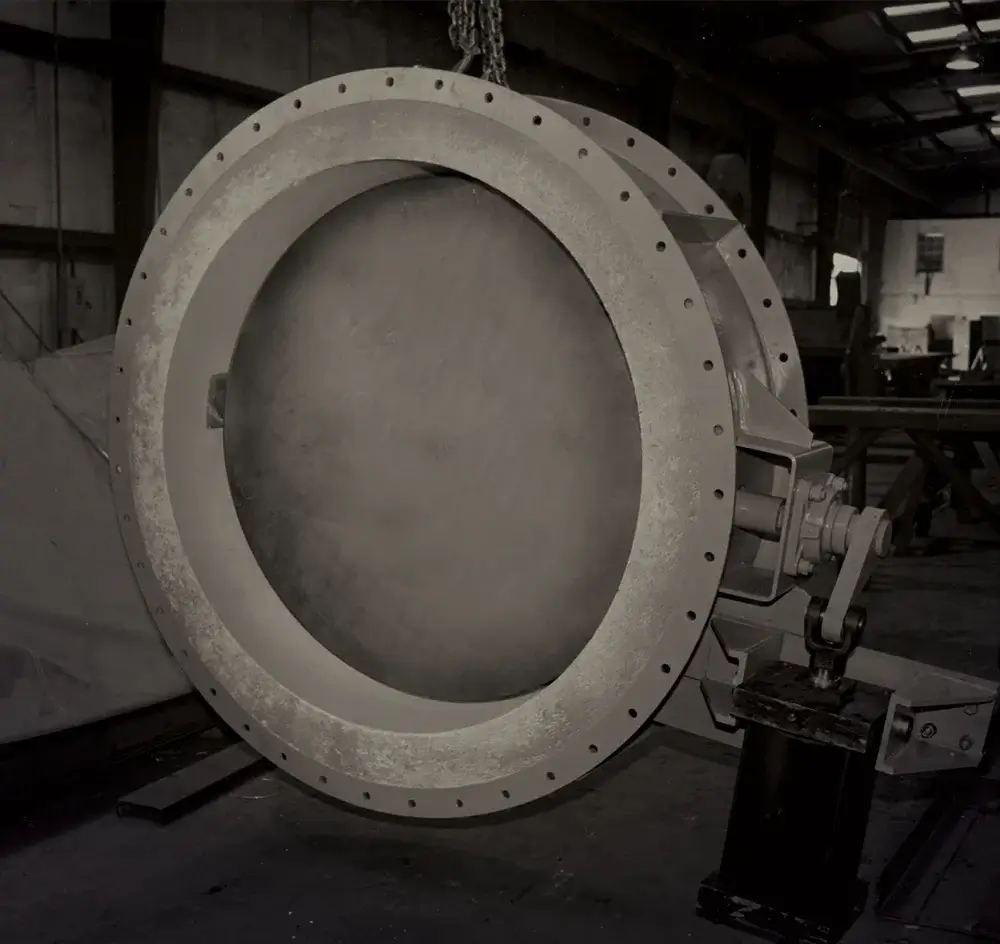
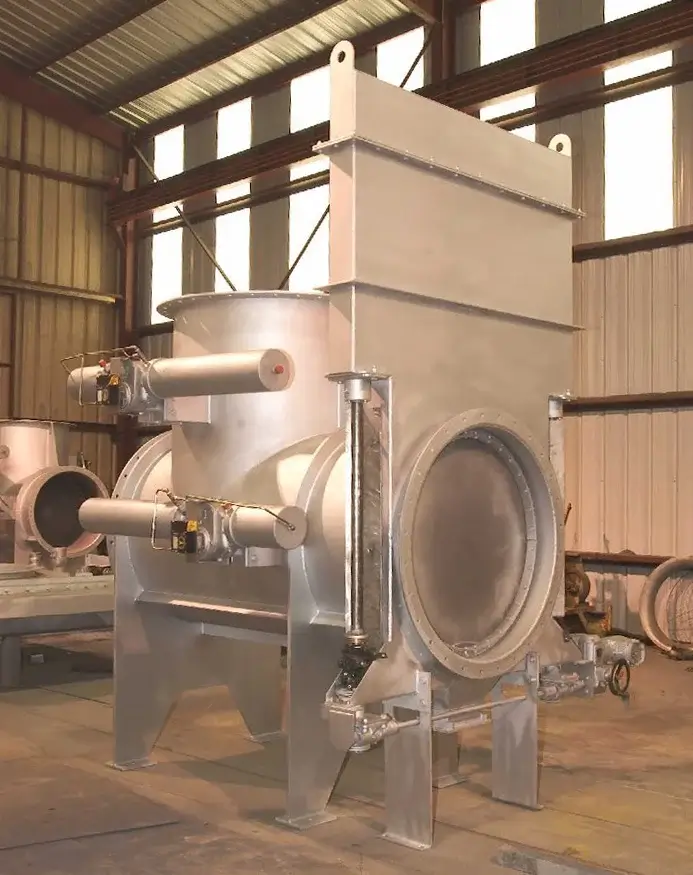
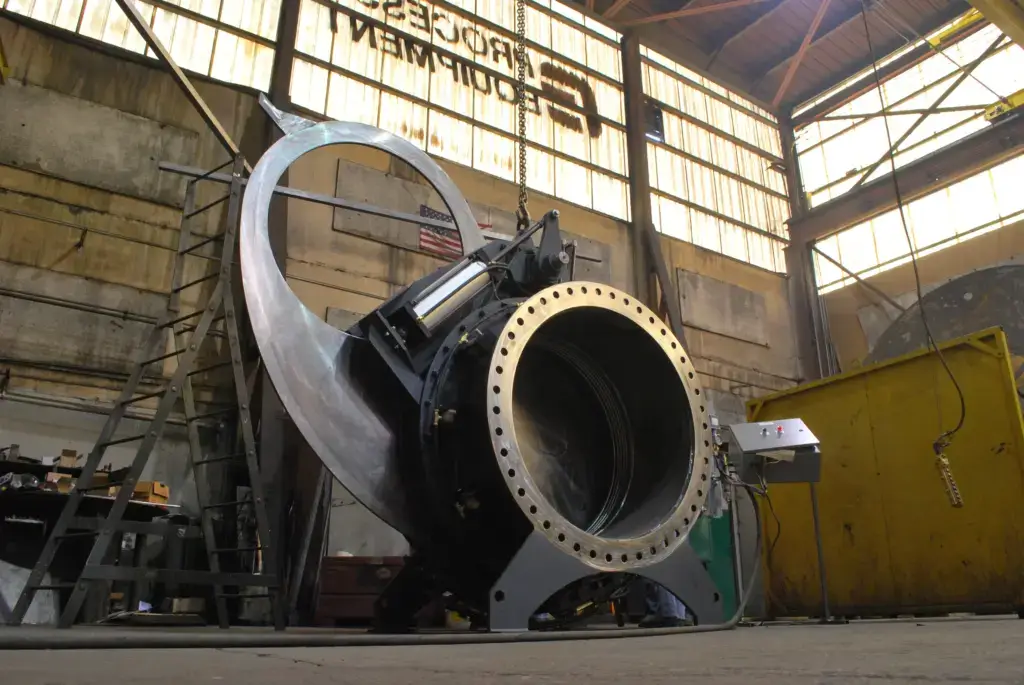
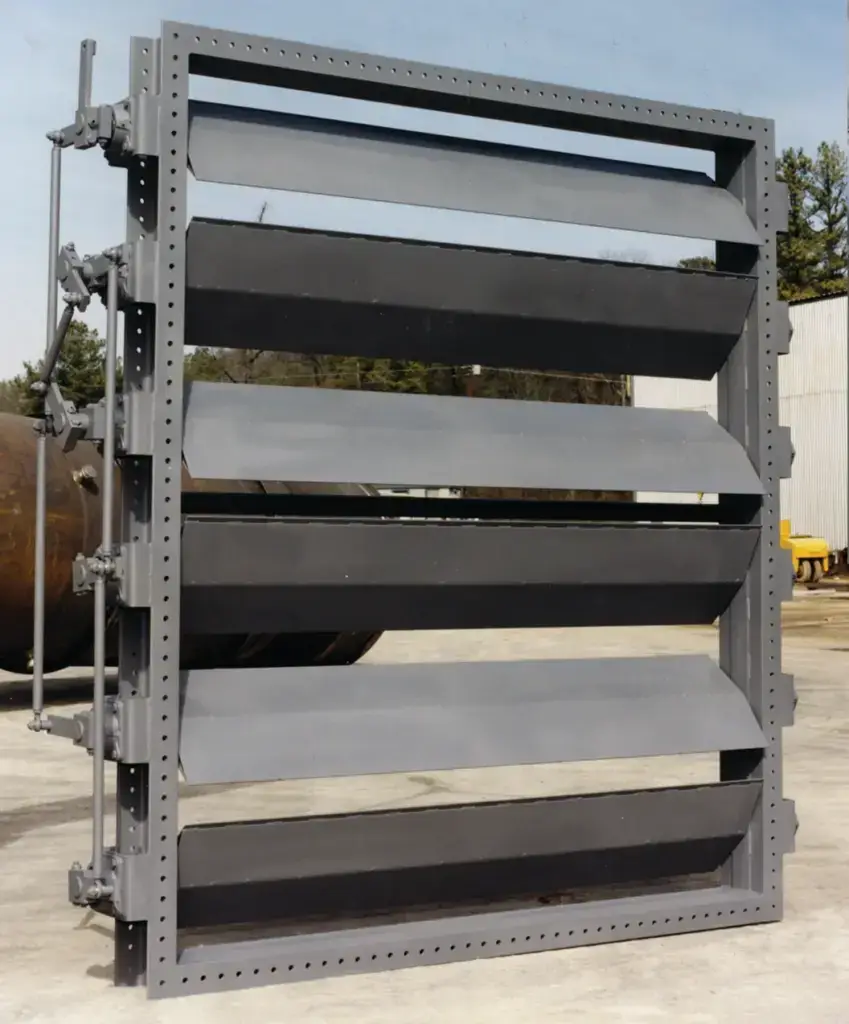
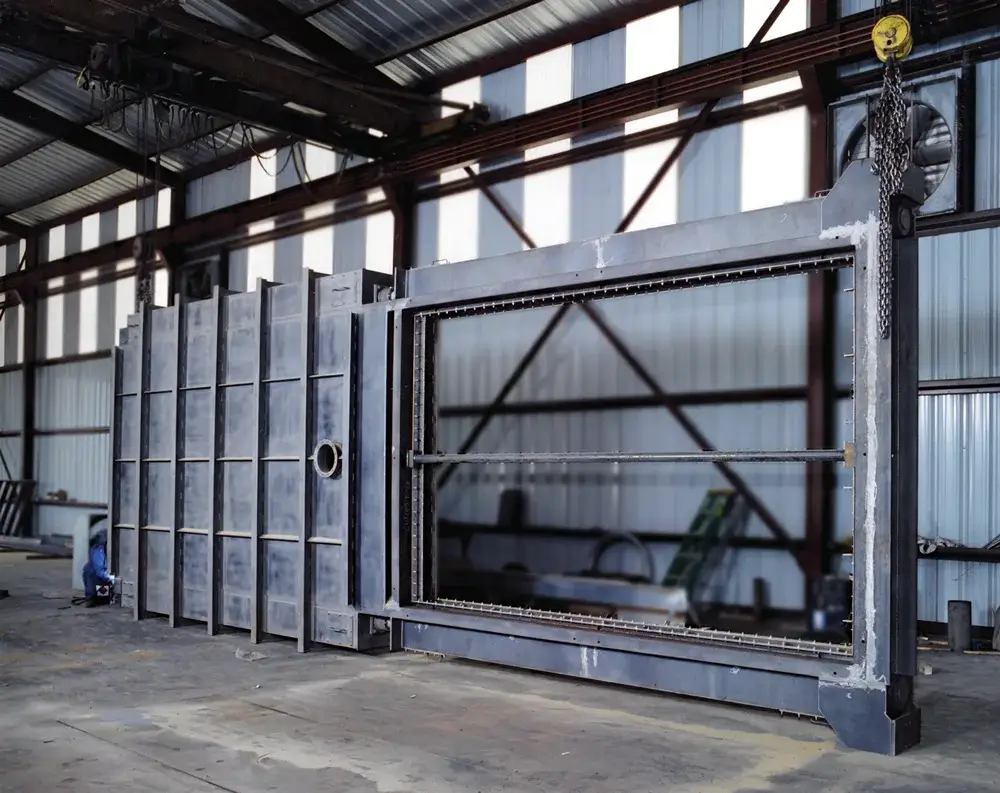
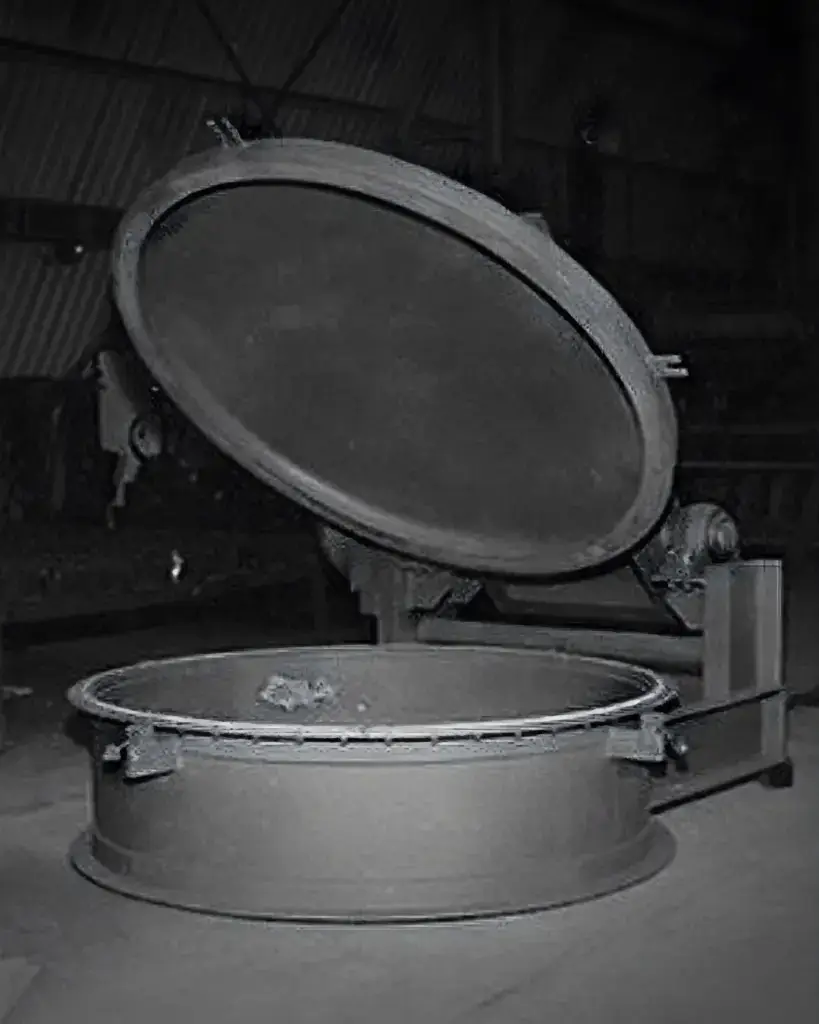
ProcessBarron designs, manufactures, and installs HRSG isolation doors to protect Heat Recovery Steam Generation (HRSG) systems in industrial applications. Commonly used in coke plants, power plants and desalination facilities, HRSG systems capture heat from hot gas streams to generate steam for cogeneration or electricity production. Our isolation doors provide rapid, reliable protection, allowing operators to safely isolate downstream equipment, such as HRSG boilers or heat exchangers, while venting hot gases to the atmosphere.
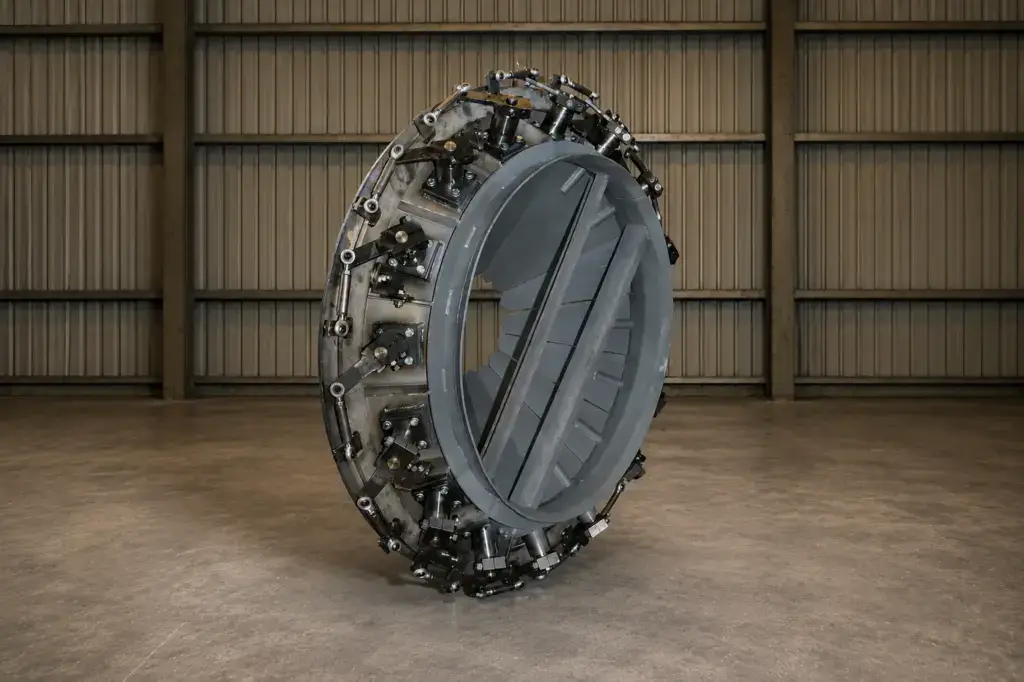
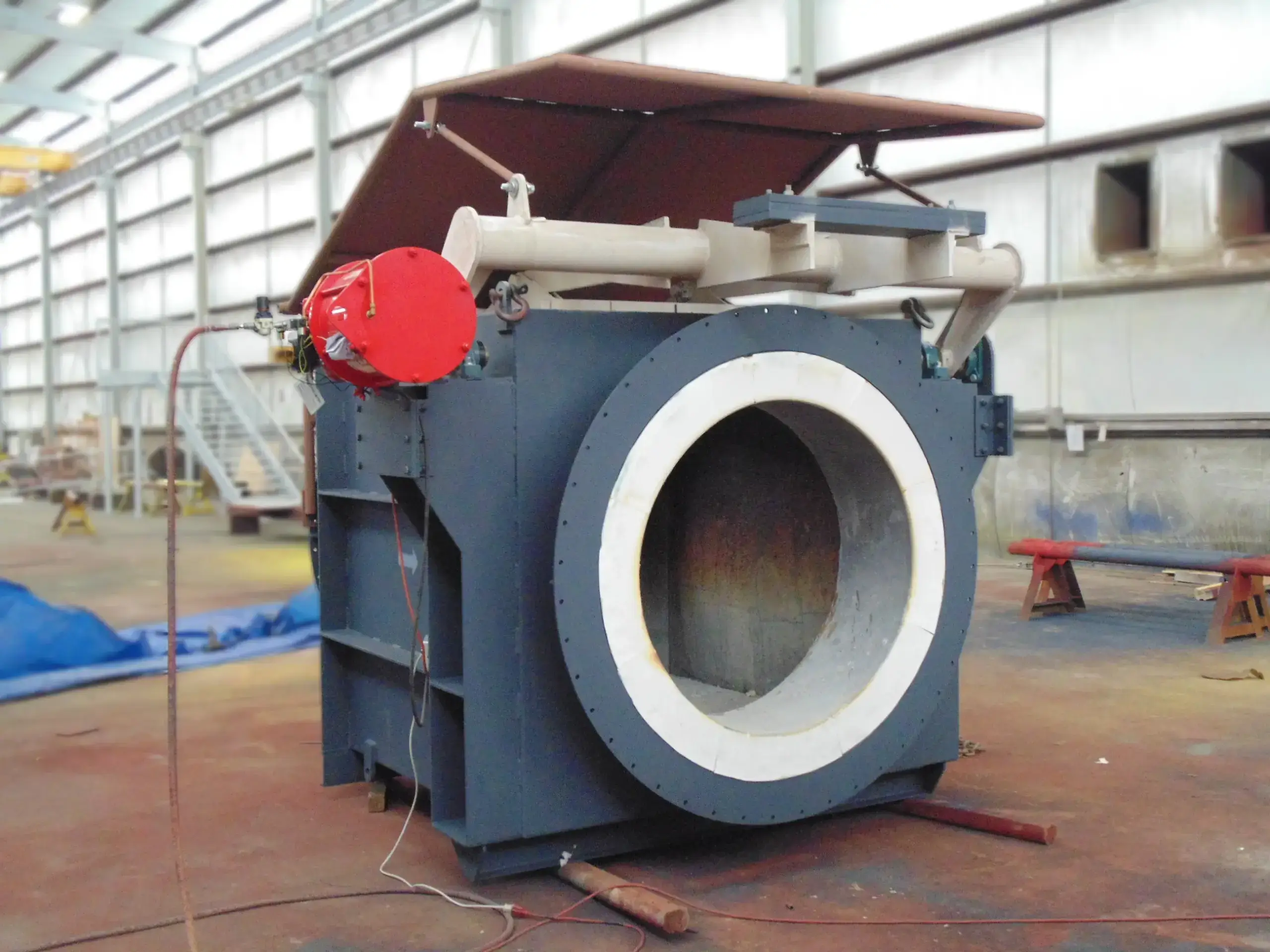
Engineered for high-temperature environments, the HRSG isolation doors feature refractory-lined undersides for thermal insulation and special heat-reflective coatings on the topside to protect the metal during short-term exposure to vented gases. The entire drive assembly, shafts, bearings, and door supports, is located outside the airflow, ensuring durability and easier maintenance. Electric or pneumatic drives are available, providing fast, precise operation depending on your system’s speed and control requirements.
ProcessBarron designs doors for both negative and positive pressure systems, with replaceable refractory seal elements for routine maintenance during scheduled outages. Our team also offers inspection and maintenance services for both mechanical components and refractory elements, ensuring long-term reliability and reducing downtime.
HRSG systems are vulnerable to flow-accelerated corrosion, corrosion fatigue, and stress corrosion, which can compromise safety and performance. ProcessBarron’s HRSG isolation doors provide robust protection, extending equipment life, enhancing safety, and optimizing plant efficiency.
Whether you are upgrading existing equipment or installing a new HRSG system, ProcessBarron delivers custom-engineered isolation doors designed for durability, high-temperature performance, and reliable operation. Protect your HRSG systems and ensure safe, efficient steam generation with ProcessBarron HRSG isolation doors, built to meet the rigorous demands of modern industrial facilities.