
Expert Interview: Brian Harris, Regional Sales Manager
Host: Jen Little, Director of Commercial Operations
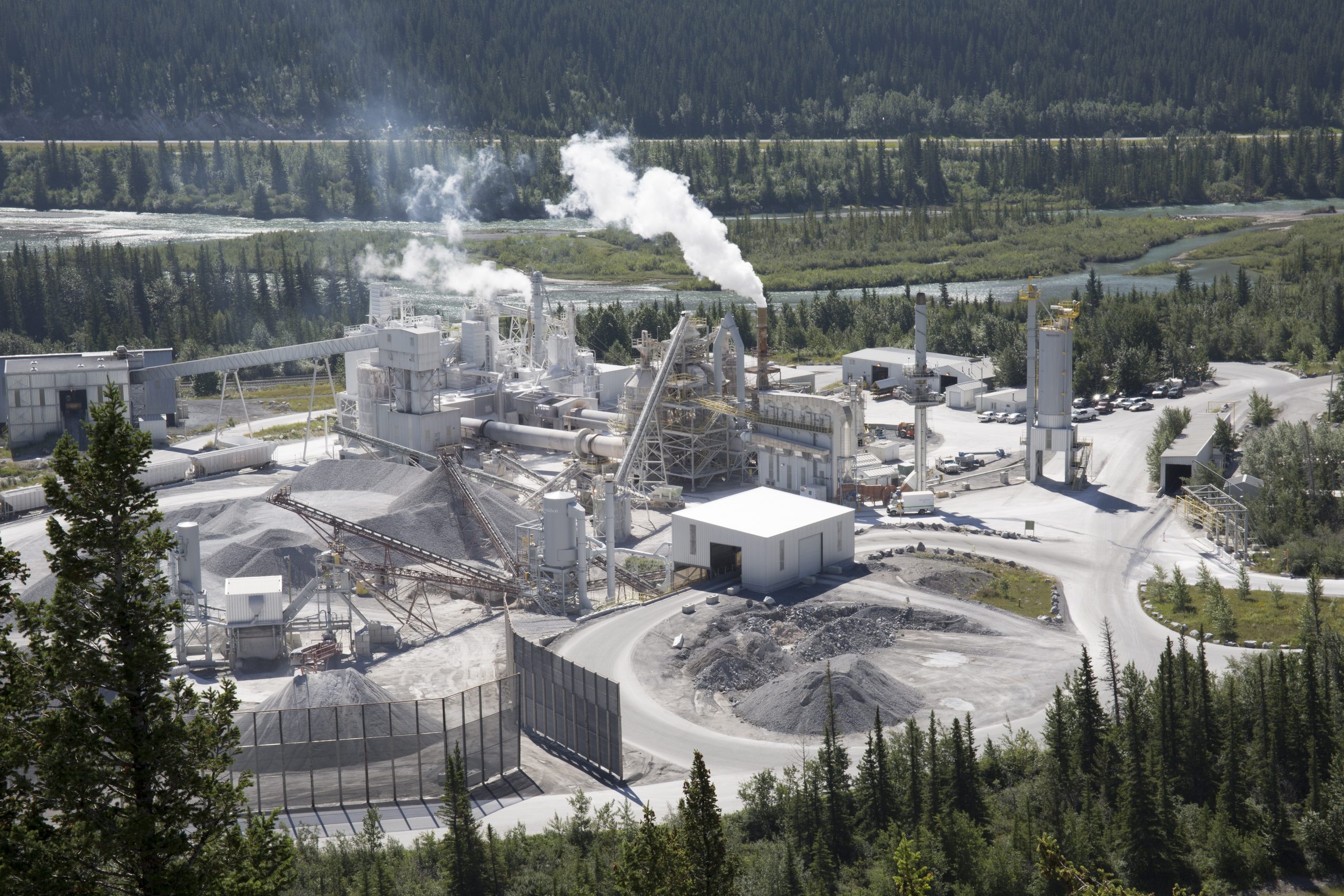
Cement is one of the most important materials used to build America’s infrastructure. From highways and bridges to homes and commercial buildings, nearly every construction project depends on it. But behind every ton of cement produced is a highly engineered manufacturing process that demands reliable equipment, efficient airflow, and durable material handling systems.
In this episode of Powering the Process, host Jen Little sits down with Brian Harris, Regional Sales Manager at ProcessBarron, to discuss how cement plants operate, the industry’s biggest operational challenges, and how engineered industrial solutions help facilities maximize uptime and efficiency.
What Makes Cement So Essential?
Cement remains one of the world’s most versatile and durable construction materials. According to Brian Harris, its widespread use comes from its combination of strength, durability, and abundant raw materials.
Key advantages include:
- Fire resistance
- Water resistance
- Chemical resistance
- Readily available raw materials
- Long-term durability for infrastructure
Despite the introduction of alternative building materials, cement continues to be a foundational product across nearly every construction sector.
How Does ProcessBarron Support Cement Plants?
While many companies recognize ProcessBarron for its industrial fans, Brian explains that the company’s capabilities extend much further throughout the cement manufacturing process.
ProcessBarron supports cement facilities with:
- Industrial fan systems
- Material handling equipment
- Drag chain conveyors
- Airflow system solutions
- Feed equipment leading into the kiln
- Discharge equipment leaving the kiln
- Roll crusher solutions
- Triple gate systems for raw mills
- Rotary discharge valves
- Double dump valves
- Kiln seals
- Wear repair services
- Vertical mill repairs
- Ball mill repairs
- Ductwork fabrication
Rather than supplying a single product line, ProcessBarron provides engineered solutions across much of the cement production process.
Major Project Spotlight: A 320-Foot Downcomer Duct
One project Brian highlights involved manufacturing a massive downcomer duct for a cement plant in Texas.
Project highlights included:
- 320-foot downcomer duct
- 13-foot diameter fabrication
- Manufactured entirely in ProcessBarron’s Alabama facility
- Required more than 26 truckloads for transportation
- Delivered on an aggressive schedule
- Installed without requiring any field modifications
The project also required innovative engineering using multiple steel types and specially designed expansion joints to account for differing thermal expansion characteristics.
Common Operational Challenges in Cement Manufacturing
Keeping a cement plant operating efficiently requires managing heavy material flow and maintaining reliable air handling systems.
According to Brian, some of the industry’s most common operational challenges include:
Dust Collection Problems
When dust collection equipment becomes overloaded, excess ash and grit carry downstream, accelerating equipment wear.
Plugged Cyclones
Cyclone plugging is a frequent issue, particularly around clinker cooler exhaust systems. When cyclones become blocked, abrasive material bypasses the system and damages downstream equipment.
Equipment Wear
The highly abrasive operating environment causes continual wear on conveyors, fans, mills, and ductwork, making durable equipment design essential.
How ProcessBarron Helps Solve Dust Collection and Material Handling Challenges
Because cement plants operate under highly abrasive conditions, equipment durability is critical.
Brian explains that ProcessBarron designs custom-built solutions focused on long service life, including:
- Heavy-duty drag chain conveyors
- Wear-resistant material handling equipment
- Fan performance optimization
- Air pollution control support
- Baghouse compressed air system expertise
The company’s emphasis on custom manufacturing allows equipment to be designed specifically for each facility’s operating conditions.
Why Fan Performance Matters in Cement Plants
One of the most common opportunities for efficiency improvements involves industrial fans.
Many clinker cooler exhaust fans are oversized, forcing plants to operate with dampers only partially open.
By rightsizing fan systems, ProcessBarron helps facilities:
- Improve airflow efficiency
- Open dampers closer to full capacity
- Reduce energy consumption
- Improve overall fan performance
These upgrades often deliver measurable operational savings while improving process reliability.
Annual Outages and Equipment Reliability
Unlike some industrial sectors that have extended maintenance cycles, cement plants typically perform planned outages every year.
These annual shutdowns generally last:
- Three to four weeks
- Comprehensive plant-wide maintenance
- Equipment inspections and replacements
Brian notes that one of the biggest measures of success is ensuring equipment lasts through the entire operating campaign until the next scheduled outage.
This focus drives ProcessBarron’s approach to heavy-duty design and wear protection.
How the Cement Industry Is Changing
While the core cement manufacturing process has remained relatively stable over the past two decades, environmental regulations continue to evolve.
Some of the industry’s recent changes include:
- Transition from electrostatic precipitators to baghouses
- Increased focus on emissions compliance
- Emerging carbon capture technologies
- New cement formulations and additives to improve strength and reduce production costs
Although carbon capture technology is still developing, manufacturers are actively evaluating future solutions.
Where Are Most Cement Plants Located?
Brian explains that cement plant locations are largely determined by access to limestone deposits, one of cement’s primary raw materials.
Major concentrations include:
- Along the Mississippi River corridor
- Missouri
- California desert regions
- Additional facilities distributed throughout North America
The United States currently has approximately 80 to 90 cement plants, with another 10 to 15 located in Canada.
Why Durability Matters in Cement Equipment
Cement production exposes equipment to constant abrasion and harsh operating conditions.
To maximize equipment life, ProcessBarron focuses on:
- Heavy-duty construction
- Wear-resistant designs
- Custom manufacturing
- Readily available replacement parts
- Engineered solutions designed for annual operating campaigns
Brian emphasizes that building equipment “like a tank” has become part of ProcessBarron’s reputation throughout the industry.
Looking Beyond Fans
Although many customers initially associate ProcessBarron with industrial fans, Brian explains that the company supports far more of the cement manufacturing process.
From feeding material into the kiln to handling material after it leaves the kiln, ProcessBarron provides integrated solutions across multiple systems, allowing customers to work with a single trusted partner rather than multiple vendors.
Advice for the Next Generation of Industrial Professionals
Brian encourages engineers and industrial sales professionals entering the industry to remain curious and committed to learning.
His advice is simple:
- Every plant is different.
- Every customer has unique challenges.
- The best solutions come from listening, learning, and understanding customer needs.
He also emphasizes that industrial manufacturing offers continuous opportunities to learn throughout an entire career.
Why Reliable Equipment Keeps Cement Plants Running
Producing cement requires far more than simply processing raw materials. Reliable airflow systems, durable material handling equipment, and engineered wear solutions all contribute to keeping production running efficiently between annual outages.
As cement manufacturers continue adapting to evolving environmental requirements and operational demands, partnering with experienced industrial solution providers helps facilities improve reliability, extend equipment life, and maximize plant performance.
Contact a ProcessBarron sales representative near you.